English
 عربى
عربى русский
Contenido
- 1 ¿Qué es un conector piedra angular CAT3?
- 2 Dónde se siguen utilizando los conectores Keystone CAT3 en la actualidad
- 3 CAT3 frente a CAT5e frente a CAT6: elección del conector adecuado
- 4 Componentes clave de un sistema de cableado estructurado que utiliza CAT3
- 5 Crecimiento del mercado y tendencias de la demanda de productos de cableado de voz
- 6 Estándares de calidad y cumplimiento de materiales
- 7 Mejores prácticas de instalación para conectores Keystone CAT3
- 8 Embalaje, almacenamiento y adquisiciones mayoristas
- 9 Acerca de Simante: un proveedor confiable de soluciones de cableado de red
- 10 Variantes de productos del conector Keystone CAT3 de un vistazo
- 11 Preguntas frecuentes
A Conecto trapezoidal CAT3 es un conector modular estandarizado utilizado en sistemas de cableado estructurado para terminar cables de par trenzado de Categoría 3. Es ampliamente reconocido como la columna vertebral de la infraestructura tradicional de redes telefónicas y de voz. A pesar de ser una tecnología madura, el conector CAT3 sigue siendo indispensable en edificios comerciales, entornos hoteleros y redes empresariales heredadas donde la transmisión de voz sigue siendo el requisito principal. Este artículo explora qué es un conector trapezoidal CAT3 y cómo encaja en un ámbito más amplio. sistema de cableado estructurado y por qué sigue teniendo un propósito práctico en implementaciones modernas.
Comprender el papel del conector trapezoidal de voz en las redes actuales es necesario observar tanto las especificaciones técnicas como los casos de uso del mundo real donde el cableado CAT3 sigue siendo no sólo aceptable, sino preferido. Ya sea usted un administrador de instalaciones, un ingeniero de redes o un especialista en adquisiciones que se abastece de un Fabricante de conectores trapezoidales CAT3 , esta guía proporciona la profundidad y los datos que necesita.
¿Qué es un conector piedra angular CAT3?
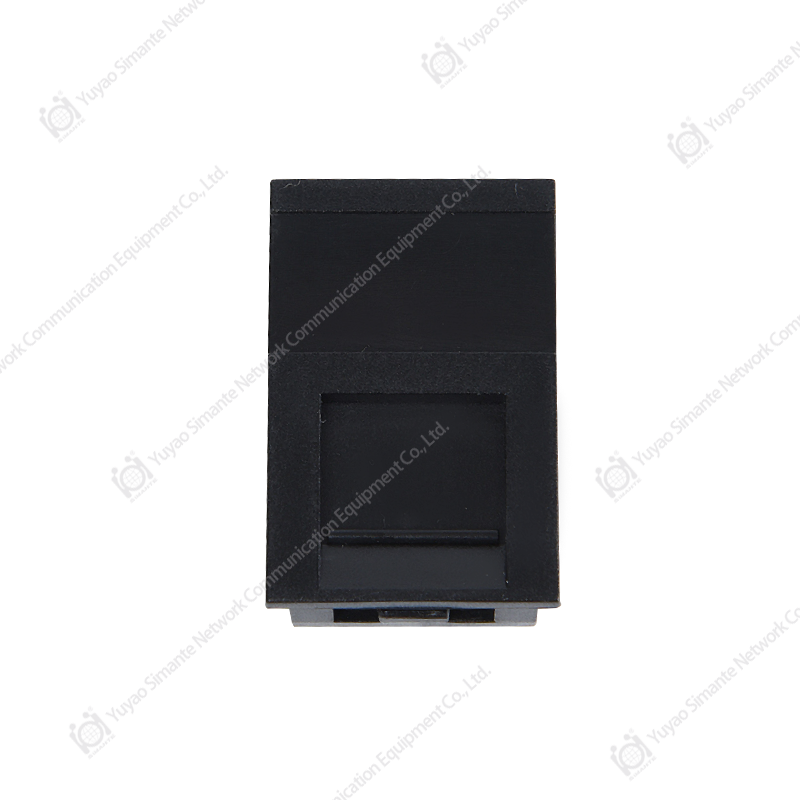
Un conector trapezoidal CAT3, también llamado conector trapezoidal telefónico or Conector trapezoidal RJ11 — es un pequeño conector a presión diseñado para terminar cables de Categoría 3 en placas de pared, cajas de montaje en superficie o paneles de conexión. El factor de forma "keystone" se refiere a su forma trapezoidal, que encaja de forma segura en recortes de tamaño trapezoidal estándar. Esta modularidad es fundamental para cualquier flexibilidad. solución de cableado de red , lo que permite a los equipos de las instalaciones reconfigurar o reemplazar gatos individuales sin reemplazar conjuntos de pared completos.
El estándar CAT3 admite frecuencias de hasta 16 MHz y velocidades de datos de hasta 16 Mbps, lo que es más que adecuado para aplicaciones analógicas de voz, fax y datos de baja velocidad. El conector normalmente utiliza un método de terminación 110 CDI (conector de desplazamiento de aislamiento), aunque muchas variantes modernas admiten un Conector trapezoidal CAT3 sin herramientas diseño donde los cables se pueden colocar sin una herramienta de perforación, una ventaja significativa en instalaciones de gran volumen o escenarios de servicio de campo.
Desde el punto de vista de los materiales, la calidad Tomas de red de voz CAT3 utilice contactos de bronce fosforoso con revestimiento de oro o níquel, carcasas de policarbonato (PC) y sustratos de PCB FR4. Estas opciones de materiales garantizan un contacto eléctrico confiable a lo largo de miles de ciclos de inserción y protegen contra la corrosión en entornos del mundo real.
| Parámetro | Especificación | Notas |
|---|---|---|
| Rango de frecuencia | 1–20MHz | Adecuado para voz y datos heredados |
| Voltaje de trabajo | 125 voltios | Rango de circuito de voz estándar |
| Tensión soportada | CC 1000 V/CA 750 V (1 min) | Sin averías ni arcos |
| Resistencia de aislamiento | ≥ 100 MΩ | Calor húmedo inicial y posterior |
| Inserciones de enchufe/zócalo | 750 veces | Estándar de durabilidad |
| Terminaciones de cables | 250 veces | Vida útil del terminal IDC |
| Temperatura de funcionamiento | -25°C a 70°C | Amplia tolerancia ambiental |
| Espesor del chapado en oro | 3–50 μpulgadas de oro | Sustrato de bronce fosforado |
| Compatibilidad de cables | Par trenzado de 23 a 26 AWG | Rango de terminación IDC |
Dónde se siguen utilizando los conectores Keystone CAT3 en la actualidad
Puede parecer contradictorio que la infraestructura CAT3 siga siendo relevante en una era dominada por Gigabit Ethernet y la fibra óptica. Sin embargo, los datos del mercado muestran consistentemente que Conectores trapezoidales de red telefónica — y el cableado CAT3 en general — todavía representan una parte significativa de las implementaciones anuales de cableado estructurado en todo el mundo, particularmente en las siguientes verticales:
- Hospitalidad: Los hoteles con miles de habitaciones que requieren líneas telefónicas individuales en la habitación confían en CAT3 o cableado de calidad de voz para una entrega POTS (servicio telefónico simple) rentable.
- Instalaciones sanitarias: Los sistemas de llamada a enfermeras, los intercomunicadores analógicos y los sistemas de alerta de emergencia de los hospitales suelen utilizar cableado de voz CAT3 exclusivo.
- Edificios comerciales y de venta al por menor: Las líneas de terminales POS, máquinas de fax y marcadores del sistema de seguridad continúan utilizando la infraestructura CAT3.
- Entornos industriales: Las comunicaciones de voz de las salas de control y los sistemas de intercomunicación de procesos en las plantas de fabricación favorecen el CAT3 por su simplicidad y resistencia.
- Educación: Las redes telefónicas de campus y los sistemas de megafonía de escuelas y universidades con frecuencia se enrutan a través de paneles de conexión CAT3 y conectores Keystone.
En proyectos de gran escala, combinar una Conector Keystone CAT3 para sistemas telefónicos con un enfoque de cableado estructurado, donde los conectores se alimentan a paneles de conexión centralizados, reduce el costo por puerto y simplifica los movimientos, adiciones y cambios (MAC) en comparación con los métodos de cableado punto a punto.
Gráfico de barras horizontales que ilustra la proporción de adopción del cableado de voz (CAT3) en los principales sectores verticales de la industria. La industria hotelera lidera la adopción debido al gran volumen de líneas telefónicas individuales que se requieren en las habitaciones de los huéspedes. La atención médica y el comercio minorista también mantienen altas tasas de uso, ya que los sistemas analógicos de comunicación de voz y de emergencia siguen siendo una prioridad regulatoria y operativa. Estas cifras reflejan la continua relevancia de los conectores Keystone CAT3 en implementaciones de cableado del mundo real.
CAT3 frente a CAT5e frente a CAT6: elección del conector adecuado
Al especificar productos de cableado estructurado Para una instalación nueva, la decisión entre conectores CAT3, CAT5e y CAT6 a menudo se reduce a los requisitos de la aplicación, el presupuesto y las prioridades de preparación para el futuro. CAT3 está diseñado específicamente para un rendimiento de calidad de voz, mientras que CAT5e y gato trapezoidal cat6 Los componentes manejan redes de datos de alta velocidad. Comprender las fortalezas de cada categoría ayuda a los ingenieros y equipos de adquisiciones a tomar la decisión correcta.
Una distinción clave es que los conectores CAT3 utilizan menos pares de conductores (normalmente de 2 a 4 pares) en comparación con la configuración de 4 pares en los conectores CAT5e y CAT6. Esta simplicidad se traduce directamente en un menor tiempo de terminación, un menor costo de material y un mantenimiento de campo más sencillo, todos atributos valiosos en entornos de solo voz. En contraste, un panel de conexión cat6 o la solución CAT5e es apropiada para aplicaciones con uso intensivo de datos, como cámaras IP, puntos de acceso PoE o conexiones de estaciones de trabajo.
Cuadro comparativo de radar que ilustra las fortalezas relativas de CAT3, CAT5e y CAT6 en cinco dimensiones de rendimiento. CAT3 destaca por su rentabilidad, facilidad de instalación y calidad de voz, lo que lo convierte en el líder indiscutible en aplicaciones de voz pura. CAT5e y CAT6 avanzan en velocidad de datos e inmunidad al ruido, lo que refleja su idoneidad para entornos Ethernet modernos. La elección de la categoría correcta depende completamente del caso de uso previsto: sobreespecificar con CAT6 para un armario telefónico agrega costos innecesarios, mientras que no especificar con CAT3 en una ejecución de datos crea cuellos de botella en el rendimiento.
Componentes clave de un sistema de cableado estructurado que utiliza CAT3
Un bien diseñado sistema de cableado estructurado no es simplemente una colección de cables y conectores: es una infraestructura organizada y compatible con estándares que permite una comunicación confiable y escalable. el primario Componentes del sistema de cableado estructurado relevantes para las instalaciones de voz CAT3 incluyen lo siguiente:
110 Terminación IDC y opciones sin herramientas
el Conector trapezoidal 110 CDI CAT3 utiliza un conector de desplazamiento de aislamiento que corta el aislamiento del cable a medida que se asienta el conductor, formando una conexión hermética al gas sin pelar. Este es el método de terminación más común en instalaciones profesionales. Para escenarios de servicio de campo o modernización, el Conector trapezoidal CAT3 sin herramientas La variante utiliza una leva o mecanismo de empuje que asienta los conductores sin una herramienta de perforación, lo que reduce el tiempo de instalación hasta en un 40 % por puerto. Ambos métodos admiten conductores de par trenzado de 23 a 26 AWG.
Paneles de conexión
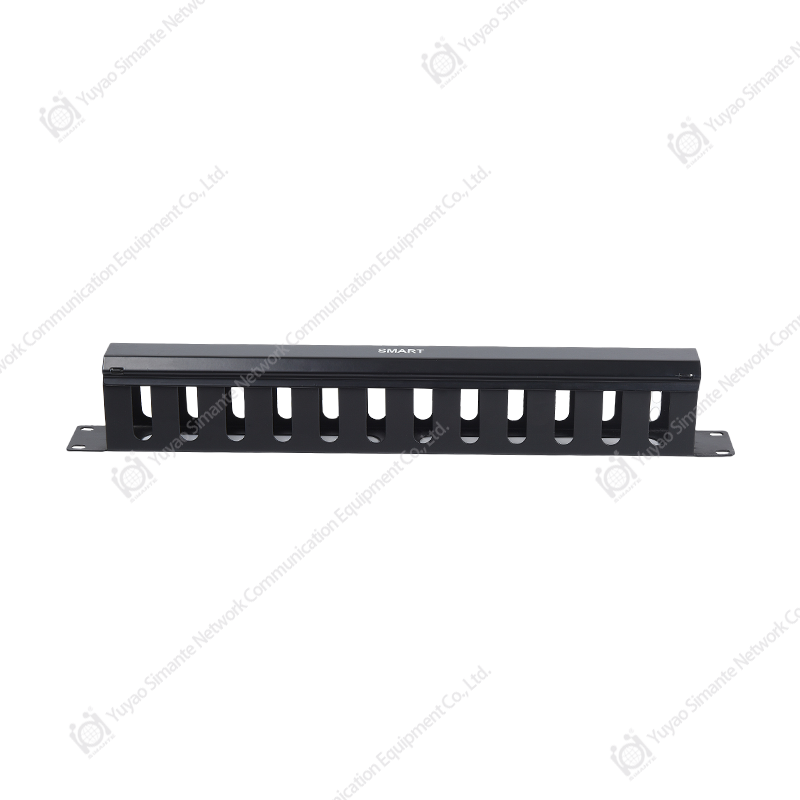
Fabricantes de paneles de conexión Normalmente ofrecen versiones de 24 y 48 puertos compatibles con conectores Keystone en configuraciones CAT3, CAT5e y CAT6. un panel de conexiones en blanco Acepta inserciones de estilo Keystone, lo que permite configuraciones de categorías mixtas dentro de un único espacio de rack de 1U o 2U. Para armarios dedicados a voz, un panel de conexión equipado con conectores CAT3 proporciona un punto de conexión cruzada limpio y etiquetado entre el cableado horizontal y el equipo PBX o PSTN. el panel de conexión cat6 y las variantes CAT3 comparten el mismo factor de forma pero difieren en la geometría de contacto y los requisitos de blindaje.
Placas frontales y tomas de pared
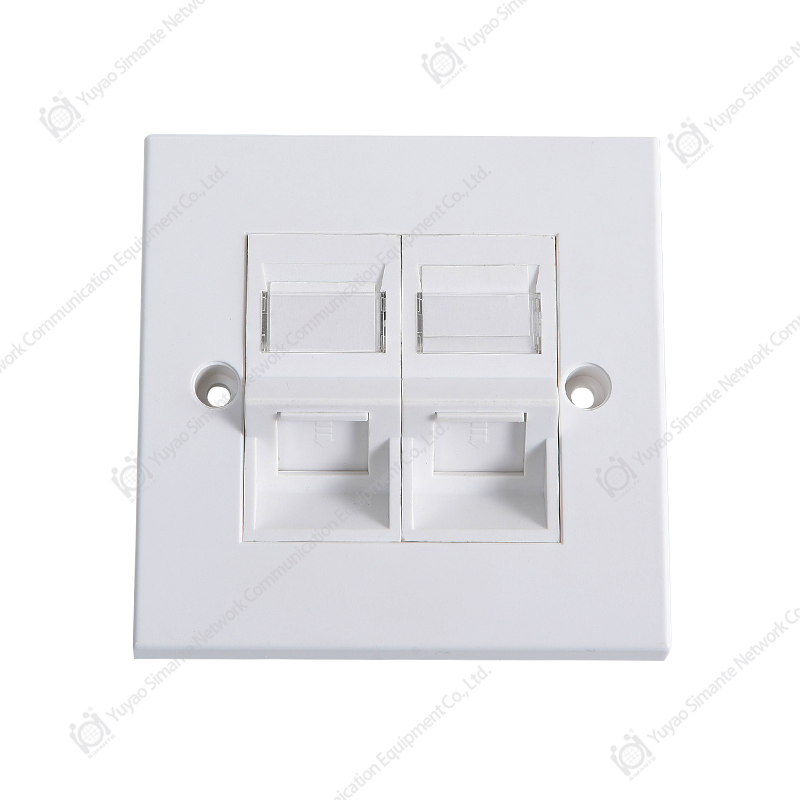
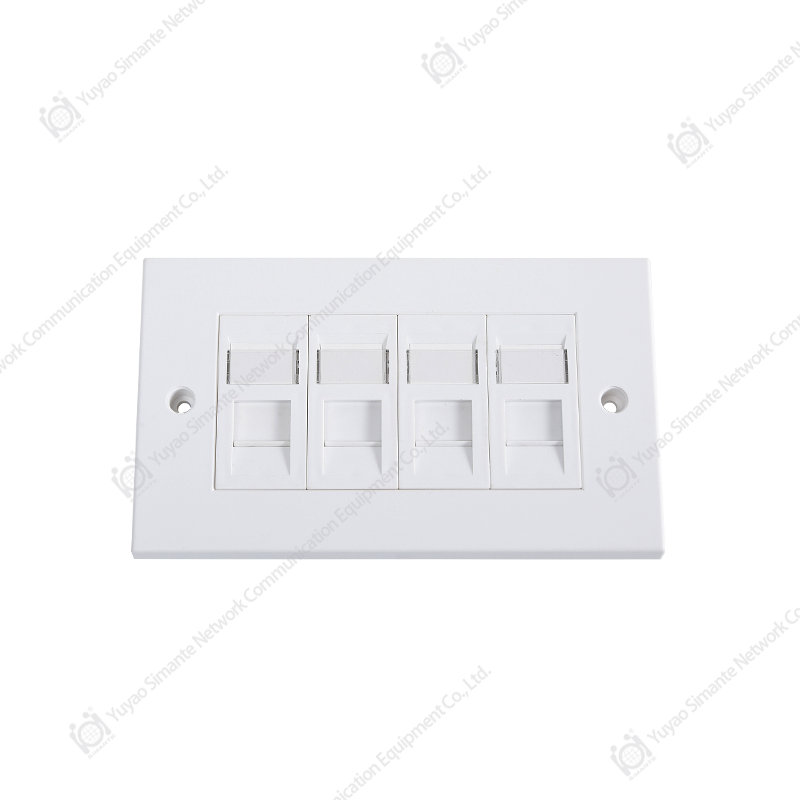
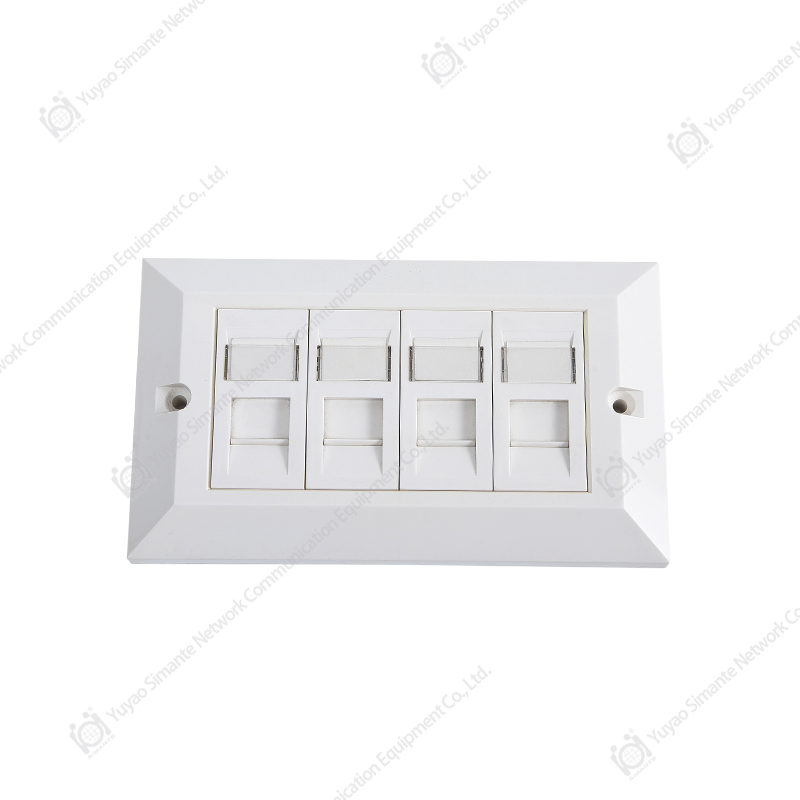
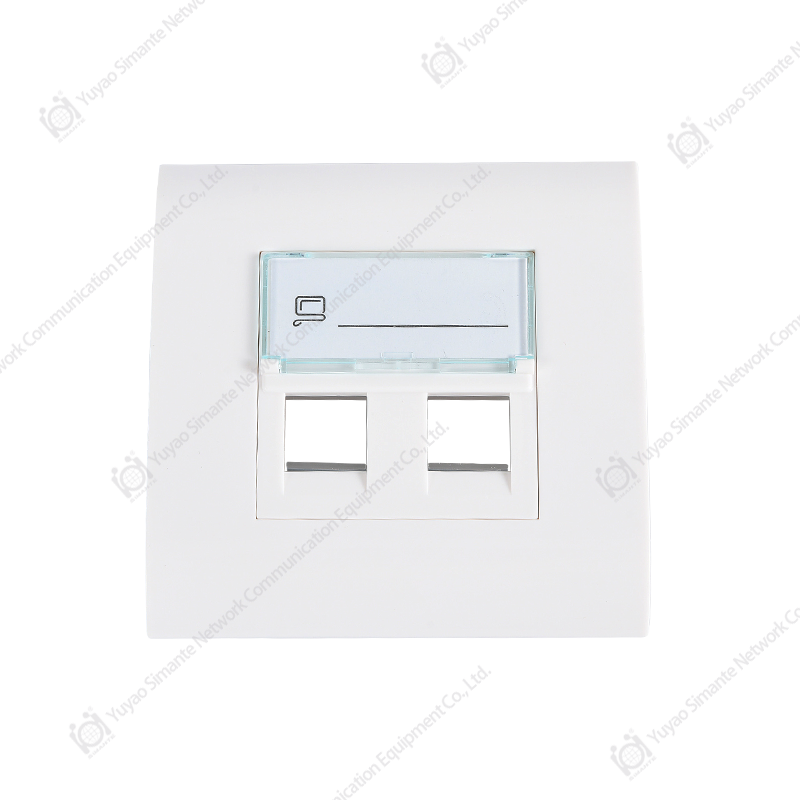
En la salida del área de trabajo, los conectores CAT3 están montados en un placa frontal de red o carcasa de montaje en superficie. Fabricantes de placas frontales Ofrece configuraciones de puerto único, puerto dual y puerto cuádruple en forma trapezoidal estándar para acomodar conectores telefónicos CAT3 junto con conectores de datos. un placa frontal RJ45 diseñados para puertos de datos CAT6 pueden coexistir en la misma placa de pared con un conector de voz CAT3, brindando a los usuarios finales acceso de voz y datos desde un solo tomacorriente. el placa frontal Por lo general, está hecho de plástico ABS de alto impacto y está disponible en colores estándar para combinar con las placas de molduras eléctricas.
Conectores RJ45 y RJ11
Mientras que el Conector trapezoidal RJ11 es la interfaz estándar para el servicio telefónico CAT3, muchas instalaciones utilizan un Conector trapezoidal CAT3 universal que admite enchufes RJ11 (6P2C/6P4C) y RJ45 (8P8C). Esta flexibilidad es valiosa en entornos donde la misma salida puede reutilizarse para datos en el futuro. Conector macho RJ45 Los conjuntos en cables de conexión y puentes de conexión cruzada completan el canal. Calidad Fabricantes de conectores RJ45 Conectores de suministro con contactos chapados en oro de 50 μin para garantizar una baja resistencia de contacto durante miles de inserciones.
Crecimiento del mercado y tendencias de la demanda de productos de cableado de voz
el global structured cabling market continues to expand, driven by new construction, smart building retrofits, and the ongoing need for reliable voice infrastructure in enterprise and institutional environments. While high-speed data cabling garners most industry attention, the demand for Conector trapezoidal CAT3 al por mayor las adquisiciones se mantienen estables entre los contratistas de telecomunicaciones, los integradores de automatización de edificios y los renovadores de hostelería.
Gráfico de líneas que muestra el índice de demanda de componentes de cableado de voz, incluidos conectores trapezoidales CAT3, conectores telefónicos y paneles de conexión asociados, de 2019 a 2024. Después de una caída en 2020 (atribuible a la desaceleración de la construcción durante la pandemia), la demanda se recuperó con fuerza hasta 2021 y ha crecido constantemente año tras año. El índice de 108 de 2024 representa una ganancia del 50% con respecto al mínimo de 2020, impulsado por renovaciones en el sector hotelero, mejoras de infraestructura en los mercados emergentes y una mayor inversión en telefonía del sector público. Esta tendencia ascendente valida la inversión continua en CAT3 y productos de cableado estructurado de calidad de voz.
Estándares de calidad y cumplimiento de materiales
el performance and longevity of a Conector trapezoidal CAT3 están directamente ligados a los materiales utilizados en su construcción. De buena reputación fabricantes de jacks trapezoidales cumplir con estrictas especificaciones de materiales, que incluyen:
- Material de contacto: El bronce fosforado proporciona el equilibrio óptimo entre conductividad, retención de la fuerza del resorte y resistencia a la corrosión. Para las aplicaciones de mayor confiabilidad, Conector Keystone CAT3 chapado en oro Los contactos (de 3 a 50 μin de oro sobre níquel) garantizan una resistencia de contacto constantemente baja incluso después de cientos de ciclos de acoplamiento.
- Material de la carcasa: El policarbonato (PC) es el plástico preferido por su alta resistencia al impacto, estabilidad dimensional y clasificación de llama UL 94 V-0, que es fundamental para instalaciones empotradas en la pared.
- Sustrato de PCB: Se utiliza laminado de vidrio y epoxi FR4 para la PCB interna, lo que proporciona un enrutamiento de señal confiable y resistencia a la absorción de humedad.
- Cumplimiento de RoHS: Todos los materiales cumplen con la Directiva RoHS (restricción de sustancias peligrosas) 2011/65/UE de la UE, lo que garantiza que los productos estén libres de plomo, mercurio, cadmio, cromo hexavalente y retardantes de llama halogenados.
El cumplimiento de los estándares de telecomunicaciones chinos YD/T 926.1-2009 (especificación general) y YD/T 926.3-2009 (subespecificación para conectores) también se requiere para los productos implementados en China continental y los mercados de exportación que reconocen estos estándares. Se realizan pruebas de niebla salina según IEC 60068-2-11 (niebla salina continua durante 48 horas a pH 6,5–7,2) para validar la resistencia a la corrosión, algo especialmente importante para instalaciones costeras o con alta humedad.
Mejores prácticas de instalación para conectores Keystone CAT3
La instalación adecuada es tan importante como la calidad del producto cuando se trata de lograr un rendimiento confiable de la red de voz. Incluso un bien hecho Conector CAT3 tendrá un rendimiento inferior si se termina incorrectamente. Las mejores prácticas clave incluyen:
- Mantener giro de par: Desenrosque no más de 13 mm (0,5 pulgadas) de cada par al colocar los conductores en las ranuras del IDC. Una torsión excesiva aumenta la diafonía y degrada el rendimiento de la transmisión.
- Siga el esquema de código de colores: Utilice el estándar de cableado correcto (T568A o T568B para conectores universales; códigos de color patentados para conectores específicos de voz) y aplíquelo de manera consistente en todos los puntos de terminación.
- Asiente completamente los conductores: Cuando se utiliza un Conector trapezoidal 110 CDI CAT3 , asegúrese de que cada conductor esté completamente asentado en su ranura antes de perforarlo. La ocupación parcial es la principal causa de fallos intermitentes en la conexión de voz.
- Alivio de tensión seguro: Utilice la brida para cables incorporada o la barra de cordones para anclar el cable en la parte posterior del conector, evitando la tensión en los conductores terminados debido al movimiento del cable.
- Prueba después de la terminación: Utilice un probador de cables o un generador de tonos para verificar la continuidad y corregir el mapeo de pares en cada conector instalado antes de cerrar la placa frontal.
- Etiquete cada punto de venta: Asigne un identificador único a cada conector y regístrelo en su documentación de cableado. El etiquetado consistente es la base de un sistema de cableado estructurado eficiente.
Gráfico de barras que compara el tiempo promedio de terminación del técnico por puerto en cuatro métodos de instalación comunes. El método de conector trapezoidal CAT3 sin herramientas es el más rápido con aproximadamente 66 segundos por puerto, lo que representa un ahorro de tiempo del 40 % en comparación con la terminación de perforación tradicional 110 IDC. Esta ventaja de eficiencia se agrava significativamente en implementaciones grandes: en una instalación telefónica de hotel de 200 puertos, cambiar a conectores sin herramientas puede ahorrar más de 2,5 horas de mano de obra. Los datos resaltan por qué los especificadores y contratistas que se abastecen de una Conecto trapezoidal CAT3 supplier Solicitamos cada vez más variantes sin herramientas para nuevos proyectos.
Embalaje, almacenamiento y adquisiciones mayoristas
Para contratistas y distribuidores dedicados a Conector trapezoidal CAT3 al por mayor Al comprar, el embalaje estandarizado es una consideración operativa importante. El embalaje comercial estándar para gatos CAT3 normalmente consta de 50 piezas por caja, 10 cajas por caja, para un total de 500 piezas por caja. Cada unidad está alojada individualmente en un blister para evitar daños durante el transporte y el almacenamiento. Las etiquetas de los productos adheridas a las cajas incluyen el número de modelo, la cantidad y la información del lote para facilitar la gestión del inventario.
Las condiciones de almacenamiento adecuadas son esenciales para mantener el rendimiento del conector a largo plazo. Los productos deben almacenarse en entornos donde la temperatura ambiente se mantenga entre -5 °C y 30 °C, la humedad relativa no supere el 70 % y el aire circundante esté libre de gases corrosivos como vapores ácidos, amoníaco o compuestos de azufre. En estas condiciones, la vida útil de los conectores Keystone CAT3 correctamente empaquetados está estimada en tres años desde la fecha de fabricación.
Al evaluar un Conector trapezoidal CAT3 supplier , los gerentes de adquisiciones deben evaluar no solo el precio unitario y las cantidades mínimas de pedido, sino también las certificaciones de gestión de calidad del proveedor (ISO 9001 es el estándar), la documentación de prueba (incluidos los informes de prueba de fuerza de inserción/retirada y los certificados de prueba de niebla salina) y la confiabilidad del tiempo de entrega. Muchos fabricantes ofrecen embalajes personalizados con la marca del cliente o etiquetado OEM, lo que facilita la obtención de productos que cumplan con los requisitos específicos del proyecto o de distribución.
Acerca de Simante: un proveedor confiable de soluciones de cableado de red
Yuyao Simante Network Communication Equipment Co., Ltd. es un fabricante profesional de solución de cableado de reds y productos de fibra óptica, integrando diseño, desarrollo, ventas y servicio. En casi 20 años de servicio, Simante se ha comprometido a satisfacer las necesidades de los clientes a través de una profunda experiencia y brindando el máximo valor desde el comienzo del proceso de participación. Basado en un sistema maduro de investigación y desarrollo, la estabilidad de la calidad de los productos de Simante, incluidos productos de cable estructurado , paneles de conexión, conectores Keystone y componentes de conectividad de fibra, está garantizado en el origen del diseño.
Simante emplea a más de 10 ingenieros y más de 30 técnicos a tiempo completo que aportan continuamente experiencia profesional, mejoran la calidad de fabricación e impulsan actualizaciones de productos en toda la cartera de componentes de cableado. El equipo de ingeniería de la empresa cubre el desarrollo de productos, pruebas mecánicas, cumplimiento ambiental y personalización OEM, asegurando que cada componente del producto de cableado estructurado salir de las instalaciones cumple o supera los estándares internacionales.
Como ambos fabricante de gatos trapezoidales y proveedor de accesorios de cableado estructurado complementarios, incluidos paneles de conexión, placas frontales y conectores RJ45, Simante ofrece una ventaja de adquisición de fuente única para contratistas, distribuidores e integradores de sistemas que requieren calidad constante y soporte técnico en toda una gama de productos.
Variantes de productos del conector Keystone CAT3 de un vistazo
Los diferentes requisitos del proyecto requieren diferentes configuraciones de conectores CAT3. La siguiente tabla resume las principales variantes de productos disponibles, sus características clave y sus principales escenarios de aplicación.
| Tipo de modelo | Terminación | Orientación | Aplicación primaria |
|---|---|---|---|
| Conector Keystone CAT3 de 90° 110 IDC | 110 IDC (con herramienta) | 90° | Placa de pared, panel de conexión |
| Conector Keystone CAT3 de 90° sin herramientas | IDC sin herramientas | 90° | Servicio de campo, renovación. |
| Conector Keystone sin herramientas CAT3 de 180° | IDC sin herramientas | 180° | Caja de montaje en superficie, espacios reducidos |
| Conector trapezoidal CAT3 universal | 110 IDC | 90° | Toma mixta voz/datos |
Preguntas frecuentes
P1: ¿Cuál es la diferencia entre un conector trapezoidal CAT3 y un conector trapezoidal RJ11?
Un conector trapezoidal CAT3 se refiere a la categoría de cable que admite (Categoría 3, nominal a 16 MHz), mientras que un conector trapezoidal RJ11 describe el tipo de conector de interfaz (6 posiciones, 2 o 4 conductores). En la práctica, un conector trapezoidal CAT3 utilizará un puerto RJ11 como interfaz de acoplamiento, por lo que los términos a menudo se usan indistintamente para aplicaciones telefónicas. La distinción clave es que "CAT3" especifica el rendimiento de la transmisión, mientras que "RJ11" especifica la interfaz de acoplamiento física.
P2: ¿Se puede utilizar un conector Keystone CAT3 en un panel de conexión Keystone estándar?
Sí. Los conectores Keystone CAT3 utilizan el mismo factor de forma Keystone estándar de la industria que los conectores CAT5e y CAT6, lo que significa que son mecánicamente compatibles con cualquier recorte de panel de conexión Keystone estándar o panel de conexión en blanco. Esto hace que sea sencillo construir paneles de categorías mixtas que atiendan puertos de voz (CAT3) y datos (CAT6) desde la misma unidad de rack.
P3: ¿Qué calibres de cable son compatibles con la terminación IDC en un conector trapezoidal CAT3?
Los conectores Keystone CAT3 estándar con terminación IDC están diseñados para aceptar conductores de par trenzado o sólidos de 23 a 26 AWG. El uso de cables fuera de este rango de calibre, particularmente cables más delgados que 26 AWG, puede provocar contactos poco confiables y conexiones intermitentes. Siempre verifique la especificación de compatibilidad AWG del conector cuando trabaje con cableado no estándar.
P4: ¿Es un gato trapezoidal CAT3 sin herramientas tan confiable como un gato perforador tradicional 110 IDC?
Cuando se instala correctamente, un conector trapezoidal CAT3 de calidad sin herramientas proporciona un rendimiento eléctrico y una durabilidad equivalentes a los de un conector 110 IDC tradicionalmente perforado. Ambos métodos crean un contacto de desplazamiento de aislamiento clasificado para 250 ciclos de terminación. El diseño sin herramientas ofrece una ventaja práctica en velocidad y conveniencia, particularmente en proyectos de modernización o ubicaciones donde las herramientas eléctricas están restringidas, sin comprometer el rendimiento de la transmisión o la resistencia mecánica de la conexión.
P5: ¿Qué certificaciones debo buscar al adquirir conectores Keystone CAT3 de un fabricante?
Busque el cumplimiento de RoHS (que confirma que el producto está libre de sustancias peligrosas), la certificación de gestión de calidad ISO 9001 (que confirma el control del proceso de fabricación) y el cumplimiento de los estándares de telecomunicaciones aplicables, como YD/T 926.1-2009 e YD/T 926.3-2009 para los mercados chinos, o TIA-568 para aplicaciones norteamericanas. Los certificados de prueba de niebla salina y los informes de prueba de fuerza de inserción/retirada también son documentos de respaldo valiosos al evaluar las afirmaciones de calidad de un proveedor.
P6: ¿Cuál es la vida útil estándar y los requisitos de almacenamiento para los conectores Keystone CAT3?
Los conectores Keystone CAT3 correctamente empaquetados y almacenados en un ambiente controlado (temperatura ambiente de -5 °C a 30 °C, humedad relativa ≤ 70 %, libre de gases corrosivos) tienen una vida útil nominal de tres años a partir de la fecha de fabricación. Los productos almacenados fuera de estas condiciones, particularmente en ambientes con alta humedad o químicamente contaminados, pueden experimentar oxidación por contacto o degradación del plástico que acorta su vida útil.